Ecological Transition

ENSAD Dijon is engaged in a progressive and structured ecological transition approach, aiming to integrate environmental issues into all its activities—whether in its internal operations, teaching practices, or creative projects.

Concrete actions in everyday practices

The school takes action across all levers of ecological transition, through a comprehensive and gradual approach. In this context, it has identified five priority areas:

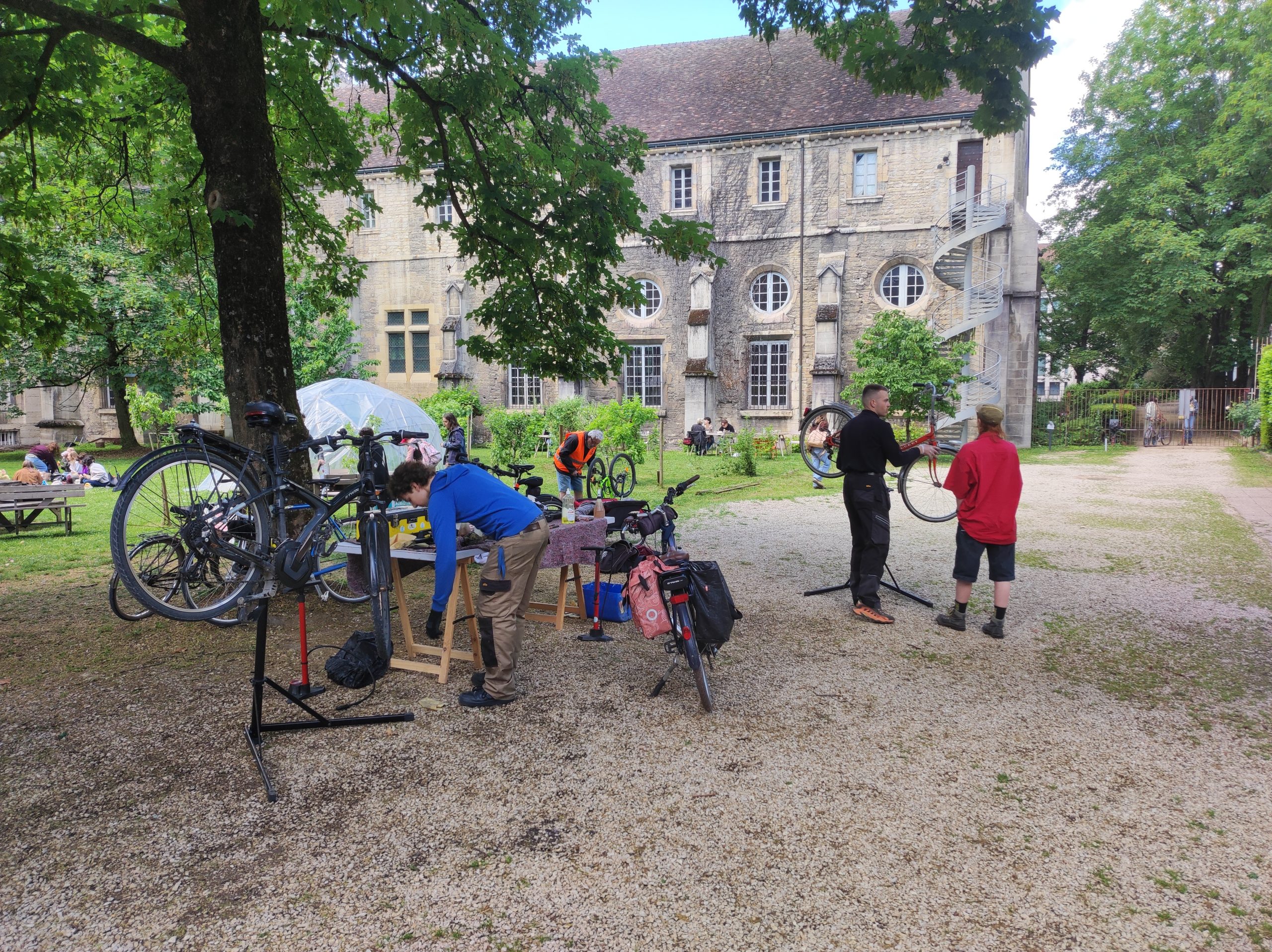
Mobility: encouraging sustainable travel and limiting the most carbon-intensive journeys
Energy and resources: improving control of consumption and enhancing building performance
Digital: optimizing equipment and usage
Communication: designing more responsible and low-impact materials
Waste: reducing, sorting, and promoting reuse

These actions are part of a progressive process, monitored over time and shared by the entire school community.
A collective and evolving approach

Ecological transition concerns all aspects of the school’s life. It is also intended to be implemented through:

→ teaching practices and eco-design of projects
→ food and everyday uses
→ the development of buildings and spaces
→ consideration of living systems and biodiversity

Students, teachers, and staff are fully involved in this long-term dynamic.

The 2025–2030 Ecological Transition Plan provides the framework for this strategy. It defines a roadmap tailored to the specific nature of an art and design higher education institution, based on an objective analysis of impacts (carbon footprint, audits) and a phased implementation.